
Oilseeds for Food & Processing Enquiries
Oilseed procurement varies substantially between edible-kernel use, roasting, oil extraction and further processing. Groundnuts and sunflower seeds require separate quality specifications covering size, moisture, foreign material and intended use.

Product types buyers ask about
Use the descriptions below to identify the correct commercial form. They are enquiry categories rather than promises of current stock.
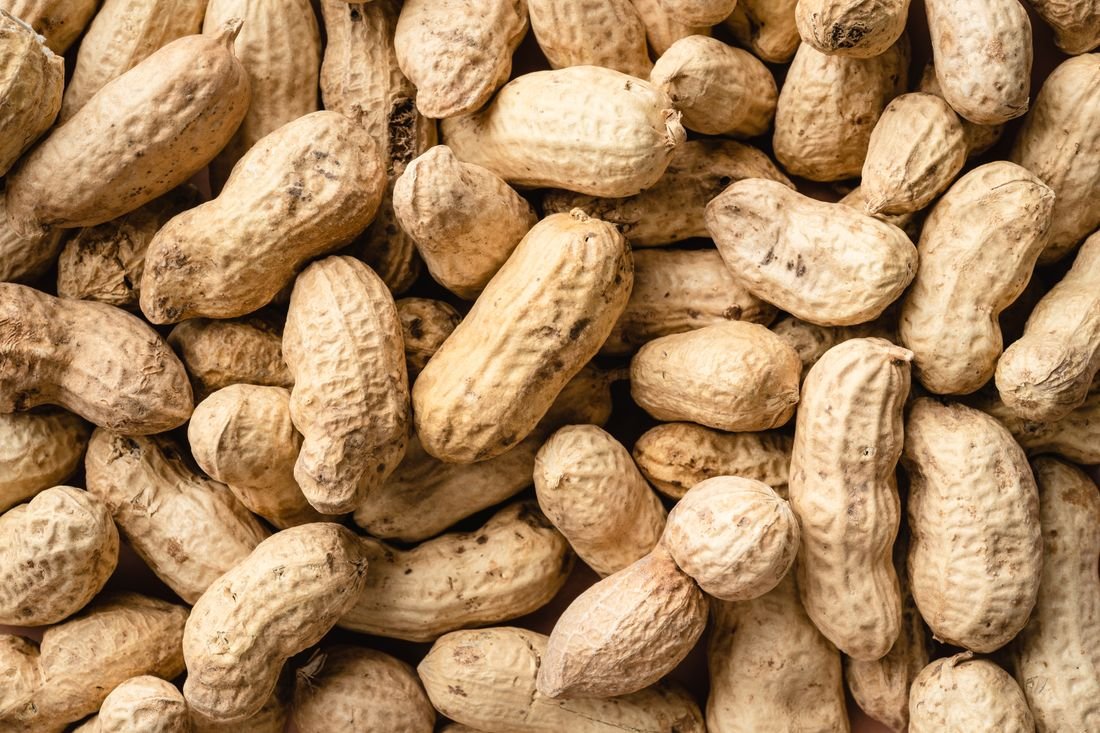
Groundnuts
Clarify in-shell or kernel form, kernel count or screen grade, damage, moisture and potential aflatoxin controls.

Sunflower seeds
State hulled or in-shell form, seed size, cleanliness, moisture and expected processing application.
Details to include in your RFQ
Quotations can only be compared meaningfully when both parties are discussing the same grade, permitted tolerances and packing. For oilseeds, the specification should cover the following:
Seed presentation
In-shell or shelled, screened or unscreened, raw or otherwise processed.
Quality criteria
Moisture, damaged kernels, broken percentage, infestation, purity and foreign-matter tolerance.
Testing
Where applicable, aflatoxin analysis, pesticide residues, microbiology and buyer-specified laboratory methods.
Commercial terms
Grade basis, intended use, lot size, bag or bulk packing and destination.
Quality checks & documentation
Groundnuts in particular require careful attention to handling, moisture and contamination controls. Any laboratory certificate should be relevant to the specific lot offered rather than treated as a general marketing credential.
Who buys oilseeds?
Edible-nut distributors, snack processors, seed buyers and oil processors can require entirely different grades. Stating whether the material is intended for food or industrial processing is the first step to evaluating a proposed lot.
One question buyers often ask
Can the same grade be used for roasting and oil extraction?
Not necessarily. Processing requirements vary, so specify the intended application and acceptance criteria.