
Direct Merchant Exporting, with Clear Transaction Controls
A proposed direct trading route for qualifying agricultural products, subject to applicable registrations, supplier verification and agreed export terms.
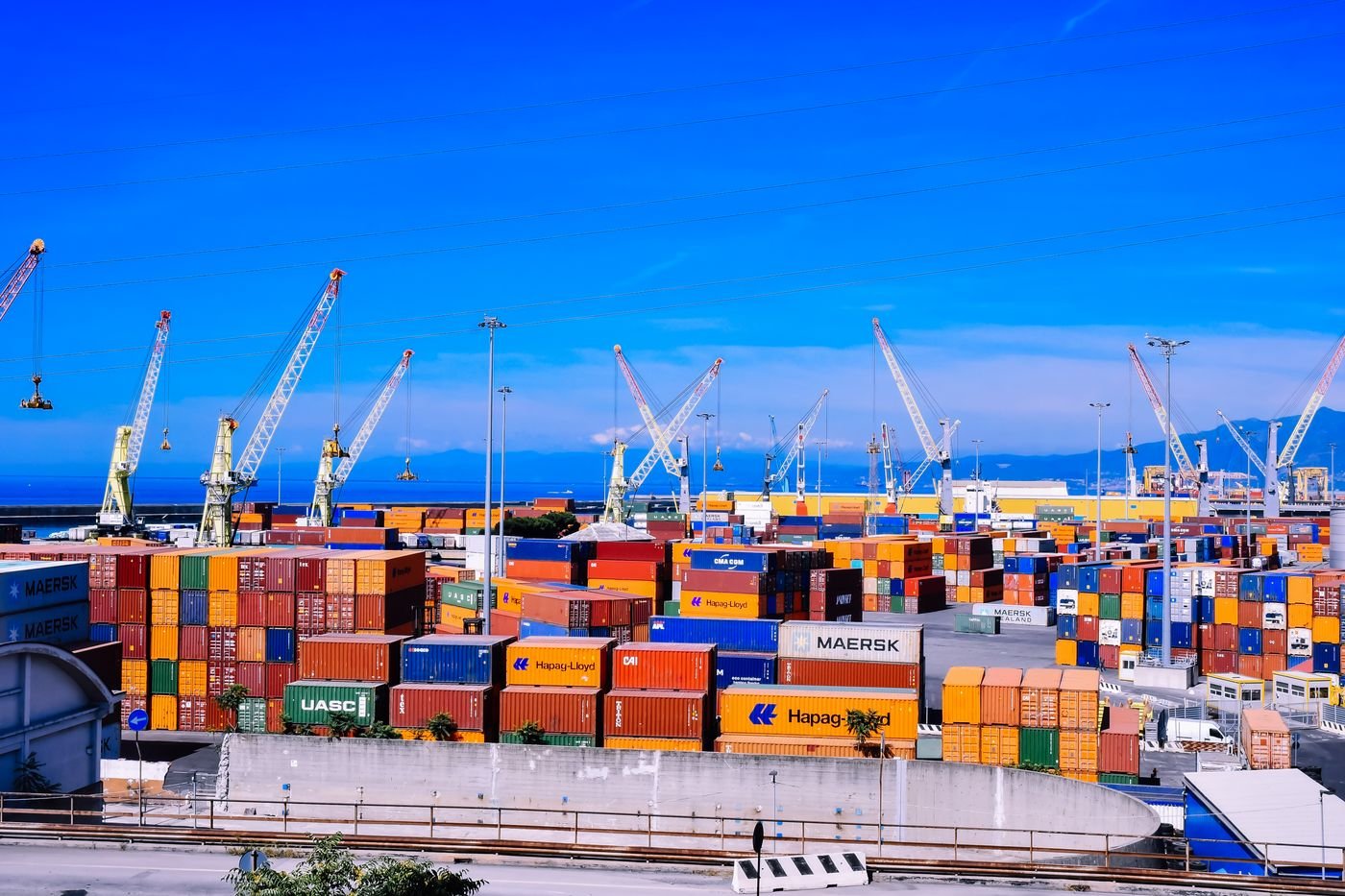
What direct merchant exporting involves
Under a merchant-export transaction, Krishna Trading would purchase goods from a supplier and resell them to an overseas customer under a direct commercial arrangement. Unlike an intermediary introduction, the exporter must manage the contractual requirements associated with the sale, relevant export documentation, shipment obligations and payment arrangements.
This is a planned operating capability. It should only be presented as available for a specific order after the company’s registrations, banking, source of goods, product eligibility and shipment arrangements have been verified.
Our proposed export transaction process
01 · Review buyer specifications
Identify commodity and grade, target quantity, packing, inspection criteria, destination and requested Incoterm with a named port or place.
02 · Confirm export eligibility
Verify the contracting exporter, IEC and applicable food-business licensing, commodity-specific registration, export policy and destination requirements.
03 · Evaluate a proposed supply lot
Assess supplier identity, available lot, quality controls, representative sampling and whether required testing or plant-health documentation can be arranged.
04 · Prepare a costed quotation
Account for product purchase, packing, inspection, inland movement, shipping, finance, currency exposure and the obligations associated with the agreed trade term.
05 · Agree the contract
Document the exact commodity, quality tolerance, price, delivery schedule, payment method, remedies and responsibilities of each party.
06 · Execute and reconcile
Once capable and authorised, arrange the purchase, inspection, shipping documentation, dispatch, buyer communication and payment reconciliation.
Compliance cannot be assumed
Direct exports generally require an appropriate Importer–Exporter Code, and food-business or commodity registrations may also apply. Some products or destinations require phytosanitary certificates, testing, permits or special documentation. Conditions must be checked against the specific ITC(HS) classification, shipment date and importing-country requirements.
Use current guidance from the Directorate General of Foreign Trade, FSSAI and APEDA, as applicable. This page does not certify that Krishna Trading holds the necessary registrations.
Why a precise RFQ matters
A request for basmati rice, chilli powder or fresh vegetables cannot become a meaningful export quotation until the actual grade, quantity, packaging, shipment basis, destination and inspection expectations are known. The proposed exporter of record and documentation responsibilities should never be left ambiguous.