
Culinary Herbs & Ingredient Sourcing
The same herb can be bought as fresh leaves, dried material or processed ingredients. Moisture, leaf integrity, aroma, appearance and food-safety needs determine which form can be considered for a particular application.

Commercial product requests
These product forms help identify the intended purchase. No particular grade, supplier or stock lot is represented as immediately available.
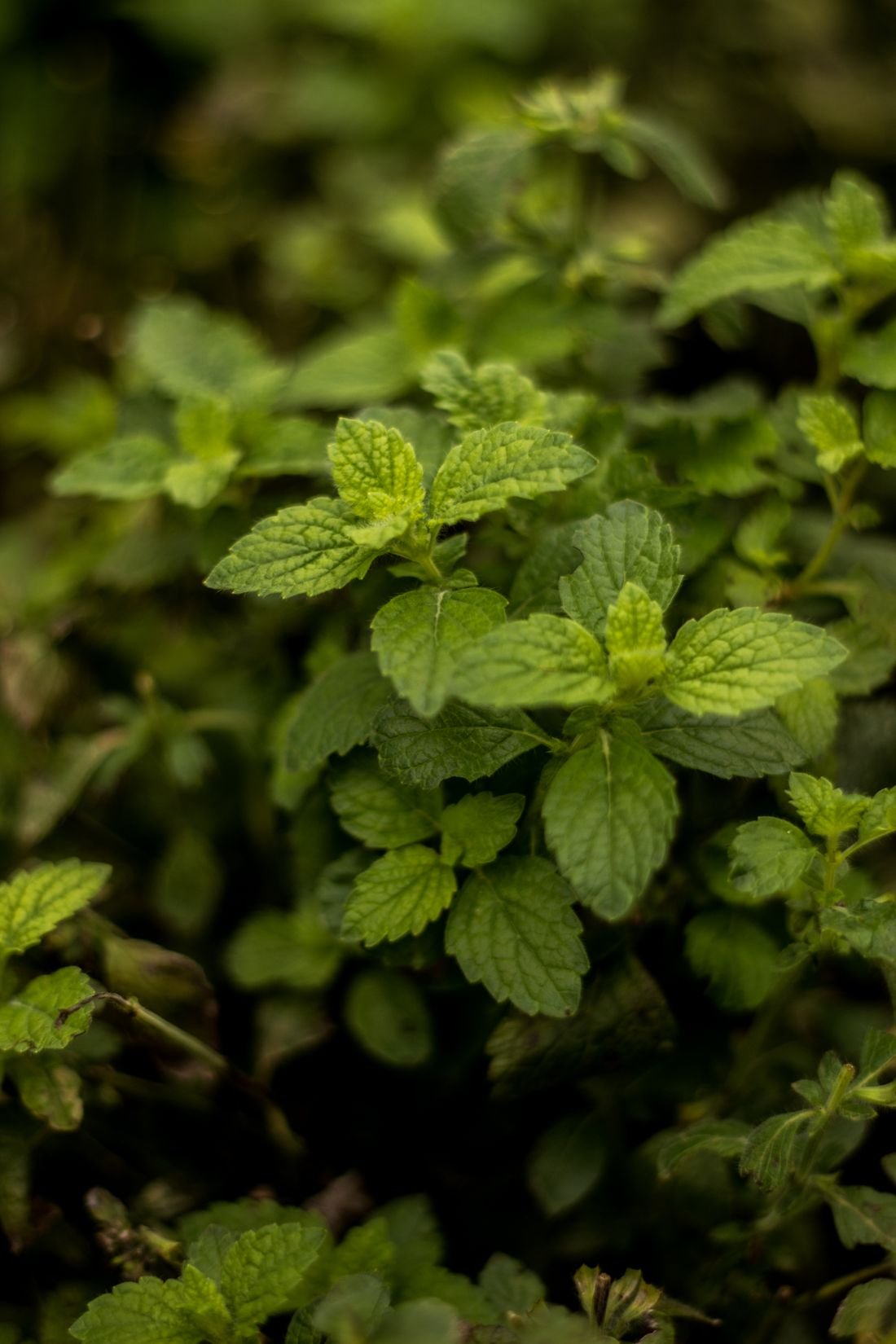
Mint leaves
Specify fresh bunches, cleaned leaves or dried mint; the form selected affects handling, packing and expected shelf life.

Cut and dried culinary herbs
For a dried-herb enquiry, provide cut size, allowed stems or foreign material, moisture and particle uniformity targets.
RFQ specification priorities
Include the information below in your first enquiry so the commercial and quality discussions concern the same material.
Botanical identity
Common and botanical name where known, intended food use and any variety preference.
Physical appearance
Fresh leaf size or dried cut, colour, stems, foreign matter, broken leaves and aroma.
Safety and shelf life
Moisture or water activity, microbiological expectations, residues and shelf-life declaration.
Packing
Breathable fresh-herb packs or moisture-barrier dried-herb packs, net weights and destination.
Quality, inspection & handling
Fresh mint is perishable and may require rapid cooling and careful protection from compression. Dried herbs need moisture-resistant packaging and appropriate microbial controls. Buyers should confirm whether any supplier test reports relate to the proposed batch.
Suitable buyer applications
Food-service distributors, seasoning makers, food processors and hospitality purchasers may need different presentations. A restaurant asking for fresh mint and a seasoning manufacturer asking for dried cut mint have distinct sourcing requirements.
Buyer question
Can I request fresh and dried mint in one RFQ?
Yes, but identify them as separate line items with their own quality, quantity and packing requirements.