
Practical Guides for Food & Agricultural Buyers
Specific purchasing guidance on crop quality, fresh-produce handling and international trade enquiries.
Five details that make a rice enquiry actionable
Start with variety, processing method, crop year and target grain length. Add moisture and broken-grain tolerances, planned lot quantity, bag weight and destination. A price for steam-processed basmati cannot be fairly compared against a quotation for raw rice if the grade and specification differ. For export transactions, confirm current documentation requirements for the proposed destination rather than relying on an earlier shipment’s paperwork.
Whole spice or powder: why it changes the quote
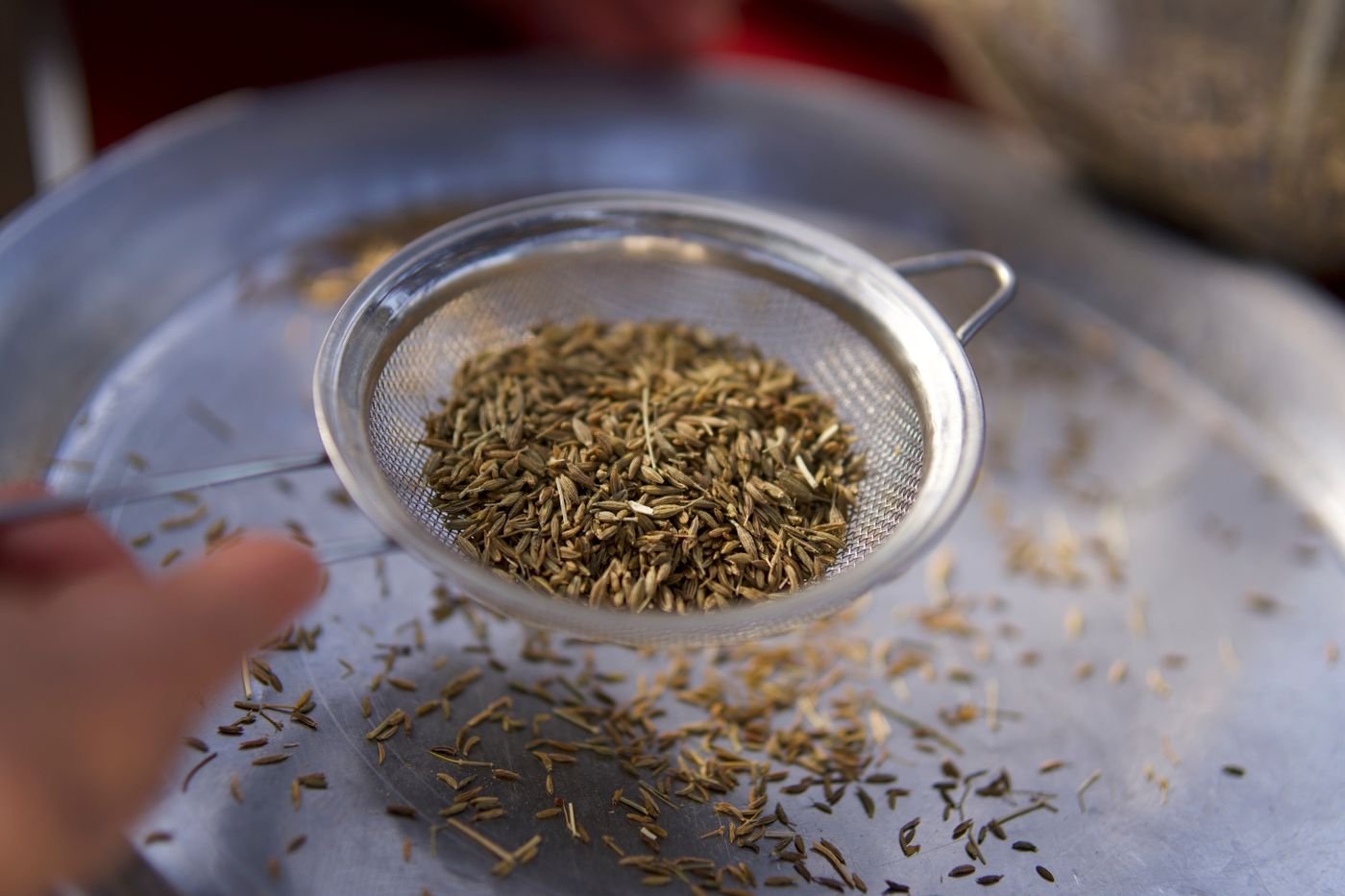
Turmeric fingers, turmeric powder, whole chilli, chilli flakes and fine powders are different commercial presentations. Their price, quality evaluation and packaging can vary because of processing, mesh size, moisture control and microbial exposure. Ask whether the supplied sample represents the quoted batch and which tests are necessary for your importing market. For spices, current Spices Board guidance is a useful starting point.
Fresh produce: plan backwards from arrival condition
A fresh-fruit requirement begins with the market’s preferred variety, size, maturity and defect limits. Then work backwards from delivery date, transport time and any refrigeration or ventilation requirement. Bananas may need a different maturity stage from apples, and tomatoes may be vulnerable to compression damage in unsuitable cartons. Compare offers by expected arrival condition and handling responsibility, not by ex-farm price alone.
How to specify pulse quality for a wholesale lot
Buyers of chana, moong or toor dal should distinguish whole, split, washed and polished forms. Include moisture, size, damaged seeds, discolouration and foreign-matter tolerances in the enquiry. Where multiple suppliers are being compared, require the same grading basis, packaging format and sampling procedure so that the offers are commercially comparable.
Dehydrated ingredients: moisture and particle size matter
Onion flakes, minced onion, granules and powders behave differently in manufacturing. A soup or seasoning processor may need a specified particle size, colour, rehydration behaviour or microbial limit. Moisture-barrier packing is especially important for powders and dried herbs. Request a declaration of any additives or anti-caking agents rather than assuming that all dried products are additive-free.
What belongs in an international RFQ?
A serious RFQ identifies the contracting company, product and grade, estimated tonnage, packing, destination, requested shipping term, desired timing and inspection requirements. A supplier’s response should then distinguish which points are confirmed and which remain conditional. Quotation, purchase order and shipping documents must agree before the transaction proceeds.